
About Nucask Limited
Auckland, New Zealand
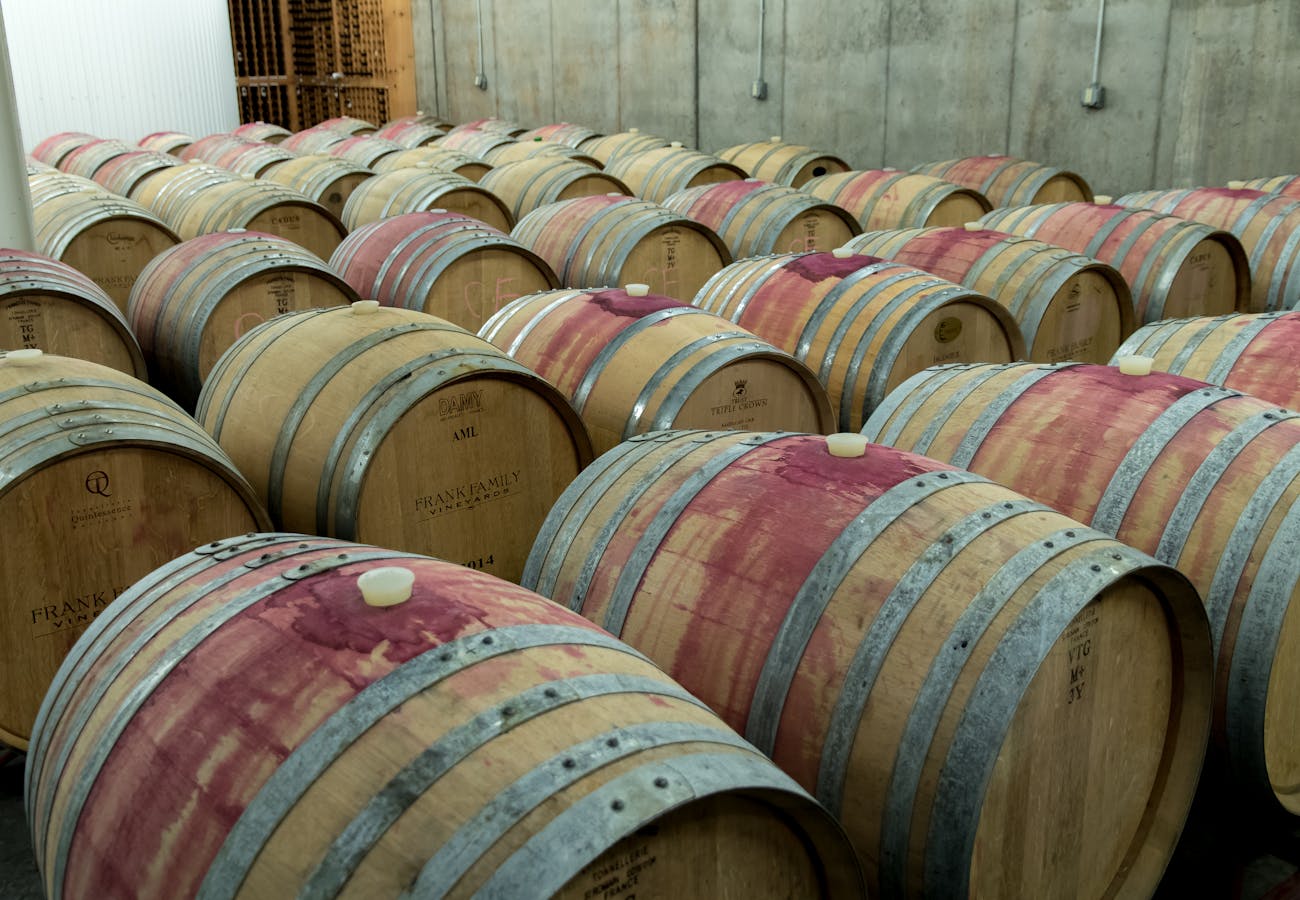
Nucask specialises in onsite wine barrel revitalisation, delivering a practical and commercially effective solution for wineries seeking to extend the life and performance of their barrels.
Using an innovative, non-chemical process, we restore the internal surface of barrels without disassembly. Our method carefully removes exhausted inner wood layers, exposing fresh, character-rich oak while preserving the barrel’s structural integrity.
This approach extends the life of barrels while, reducing capital expenditure and prompting sustainable practices – without compromising on quality.

Our Services
Barrel Revitalisation Benefits
Our barrel revitalisation process restores performance, reduces costs, and integrates seamlessly into your winery operations. All services are delivered onsite for maximum convenience and minimal disruption.
Onsite, Low-Disruption Service
We operate directly at your winery, eliminating transport requirements, reducing handling risks, and allowing your barrels to remain within your production environment.
A More Sustainable Approach
Revitalising barrels reduces demand for new oak and minimises waste, supporting environmentally responsible winemaking practices.
Extend Barrel Lifespan
Avoid premature barrel retirement. Our process restores the active oak layer, enabling continued use across additional vintages without loss of performance.
Restore Oak Influence
As barrels age, their ability to contribute flavour, structure, and aroma diminishes. We remove the depleted inner layer to reveal fresh oak, restoring complexity and balance to your wine.
Efficient and Reliable Execution
Our streamlined process is designed to minimise downtime, allowing your barrels to return to use quickly and fit seamlessly into your production schedule.
Significantly Reduce Barrel Costs
New barrels represent a substantial investment. Our revitalisation service extends the life of your existing barrels at a fraction of replacement cost, improving return on capital.
Our Specialised Barrel Revitalisation Process
Our on-site revitalization process eliminates the need for off-site transport, ensuring your inventory remains secure and stationary.
Utilizing a chemical-free methodology, we resurface the barrel interior using only natural, inert abrasives, steam, and water.
This three-stage approach—comprising of pre-cleaning, tumbling / sanding, and a final steam sanitization—requires no disassembly and maintains the structural integrity of the barrel.
Most projects are completed within two days, providing a high-efficiency, food-safe restoration directly at your facility.
Discover barrel rejuvenation
The Secret of Success
The Role of Barrel Rejuvenation in Modern Winemaking
Oak barrels are central to wine maturation, influencing not only flavour but also oxygen transfer and structural development. With repeated use, however, their performance declines. Extractable oak compounds are depleted, and the internal surface becomes increasingly occluded by tartrates and polymerised phenolics, reducing both reactivity and permeability. At this stage, barrels become effectively “neutral.”
Barrel rejuvenation addresses this by focusing on the condition of the internal surface. By removing deposits and a portion of the exhausted oak layer, the barrel can regain functional activity—positioning rejuvenation as a practical alternative to both continued use of neutral barrels and full replacement.
Traditional Reference: Barrel Shaving
The established method for restoring barrels is shaving, which involves:
Removing a barrel head
Mechanically planing the internal staves (typically several millimetres)
Reassembling and re-toasting
This process exposes fresh oak and can restore extraction potential. However, it is mechanically invasive, requires skilled labour, introduces variability through re-toasting, and carries operational constraints related to handling and transport.
Modern Rejuvenation Methods
Contemporary approaches achieve a similar objective without disassembly. Controlled internal abrasion removes tartrates, residues, and a thin layer of exhausted oak, followed by washing and steam sanitation.
The key distinction is that this method:
Preserves barrel integrity
Maintains the original toast profile as much as possible
Focuses on surface renewal rather than structural reworking
Functional Outcomes
While not equivalent to new oak, rejuvenation can deliver meaningful improvements:
Improved hygiene through removal of adhered deposits
More consistent oxygen transfer by clearing occluded wood structure
Renewed, moderate oak contribution relative to neutral barrels
Position in an Oak Program
Rejuvenation is best understood as part of a broader oak management strategy:
New barrels for primary oak impact
Rejuvenated barrels for controlled, moderate influence
Neutral barrels where minimal oak is desired
This approach allows for more precise alignment between oak input, wine style, and cost.
Economic Perspective
By extending the usable life of structurally sound barrels, rejuvenation reduces replacement frequency and lowers the cost per litre matured in oak. It also supports more efficient use of oak resources.
Barrel rejuvenation provides a technically sound means of restoring functionality to neutral barrels. When applied selectively, it enhances consistency, improves asset utilisation, and offers winemakers greater control over oak influence without the need for full barrel replacement.
Contact Us
We value your thoughts and suggestions. Please feel free to reach out to us with any questions or comments.